

Understanding the Market of Commercial Ovens
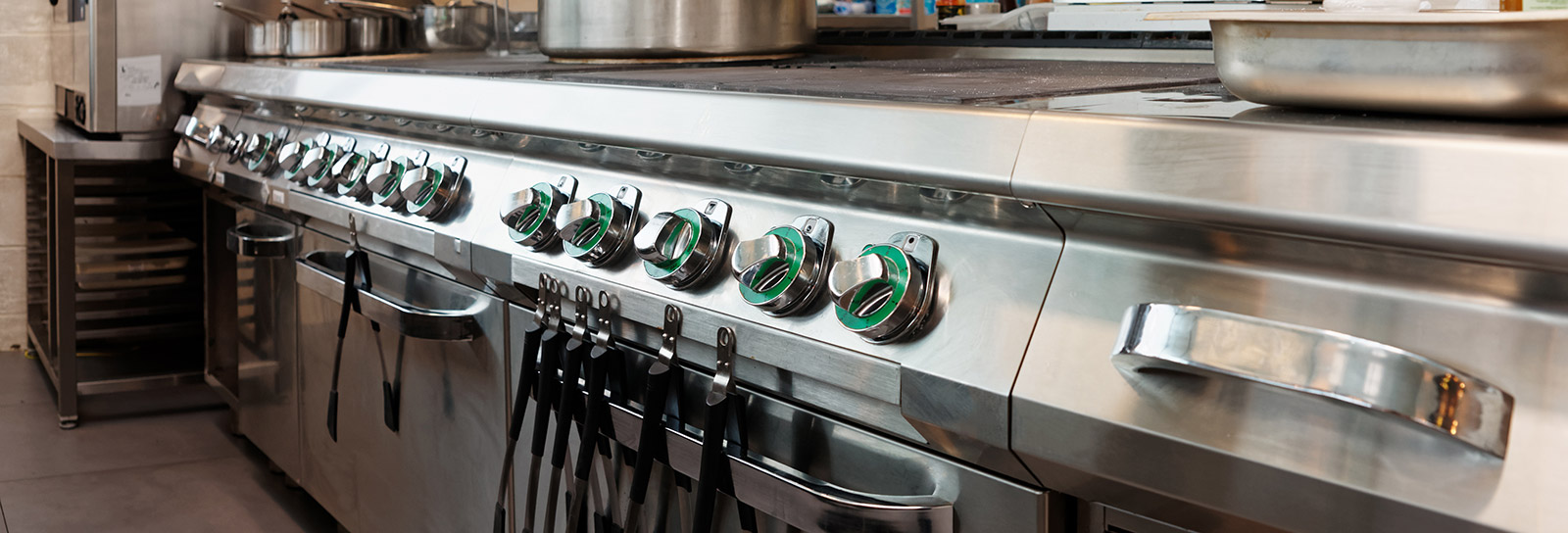
A vital piece of kitchen equipment, commercial ovens are a necessity for restaurants, cafeterias, bakeries and pizza shops. Often used around the clock, on a daily basis to prepare delectable dishes, desserts, and breads, commercial ovens are designed to have the power and capacity to cook or heat large quantities of different foods at one time. So what should you know about selecting a commercial oven. There are different types of commercial ovens on the market each of which can accommodate different food service needs and requirements. Read on to find out which one may be right for you.
Type of Commercial Ovens
The most important considerations when choosing the right oven for your restaurant are: will this oven handle the recipes my restaurant makes most often with speed, ease and efficacy? Once you answer that question, finding the proper oven will follow.
A standard oven, also known as a radiant oven, features a heating element located at the bottom of the unit that transmits heat into the body of the oven. It can be used to cook almost any type of food that requires an oven, and is usually the least expensive type of commercial oven you can buy. However, due to the inconsistent nature of radiant heat, standard ovens have a tendency to cook food slowly and sometimes unevenly, which can make recipes come out differently every time.
A convection oven, while similar to a standard oven, has fans that circulate the warm air inside the oven so it enables food to cook faster, more consistently, and at a lower temperature than a standard oven. Because the air circulates, it prevents the formation of hot or cold spots in the oven, ensuring a more consistent cooking experience. This reliability and versatility makes it a popular commercial kitchen choice.
A conveyor oven uses a cooking method known as "impingment" that, through the use of fans, forces hot air through a perforated sheet above the food, enabling a faster cooking experience. This type of oven provides consistent heating, cooks foods evenly, has a high output, and requires less attention from the cook or operator. It is popular in high-volume pizza shops and food businesses with limited menus.
A deck oven is lined with a heavy stone shelf or deck that, once heated, can hold food directly on the deck for cooking purposes. Deck ovens are perfect for kitchens that produce pizza, breads, and other bread-related items. The stone deck gives breads that traditional hearth taste that cannot be matched by other types of ovens and it gives pizza a crispy crust that is unbeatable. However, a deck oven is not recommended for other types of recipes as the heat is inconsistent and not all foods can be cooked directly on the stone surface.
A combi oven combines the benefits of a steamer with those of a convection oven. It cooks food about 20% faster than standard or convection ovens; it cooks food evenly; it provides consistent heating and it performs a wide range of functions, such as steaming, poaching and baking. This type of oven enables you to combine the best of two ovens in one footprint, adding versatility to your menu while saving space in your commercial kitchen.
Niche Ovens
While most commercial operations can use one of the above mentioned ovens, niche restaurants will want to invest in a specific type of oven.
A rotisserie oven can be found in restaurants that prepare large amounts of roasted chicken, turkey or shwarma. The chicken, turkey or shwarma is placed on a rotating spit that rotates constantly as it cooks, preventing it from drying out. In doing so, it retains the juices that would typically drip into the pan during conventional cooking. This cooking method requires little intervention to yield deliciously tasty food.
Pizza ovens can provide many different food service businesses with the ability to add pizza to their menus. With a countertop pizza oven, pizzas with toppings can be made quickly and easily, boosting profits If you are just looking for a pizza oven that handles the basics, a small and inexpensive unit will work well -- but for high-volume pizza-making, choosing a a conveyor pizza oven or pizza deck oven will help you get the job done right.
When all is said and done, investing in the right oven for your restaurant will go a long way in satisfying your customers with your unique recipes and freshly baked foods.